A collection of experimental, conceptual, and multimodal work.
NeuroSync: Personalized Healing & Emotional Discovery
Web & Mobile
Wearable
Conceptual
What if we had the ability to export our own memories? For the Figbuild Hackathon, we were tasked with designing a tool around an imaginary superpower. Our research validated the concept: people want tools that surface hidden patterns and support personal growth by connecting surface-level behavior to subconscious drives. Motivated by our own curiosity to explore the mind, we built a system that helps users capture and organize conscious experiences, uncover subconscious patterns and emotional roots, and reinforce positive behavioral change through real-time support for trauma recovery.


Piyobot: Motivation & Companion Robots
HRI Design
Robotics
multimodal
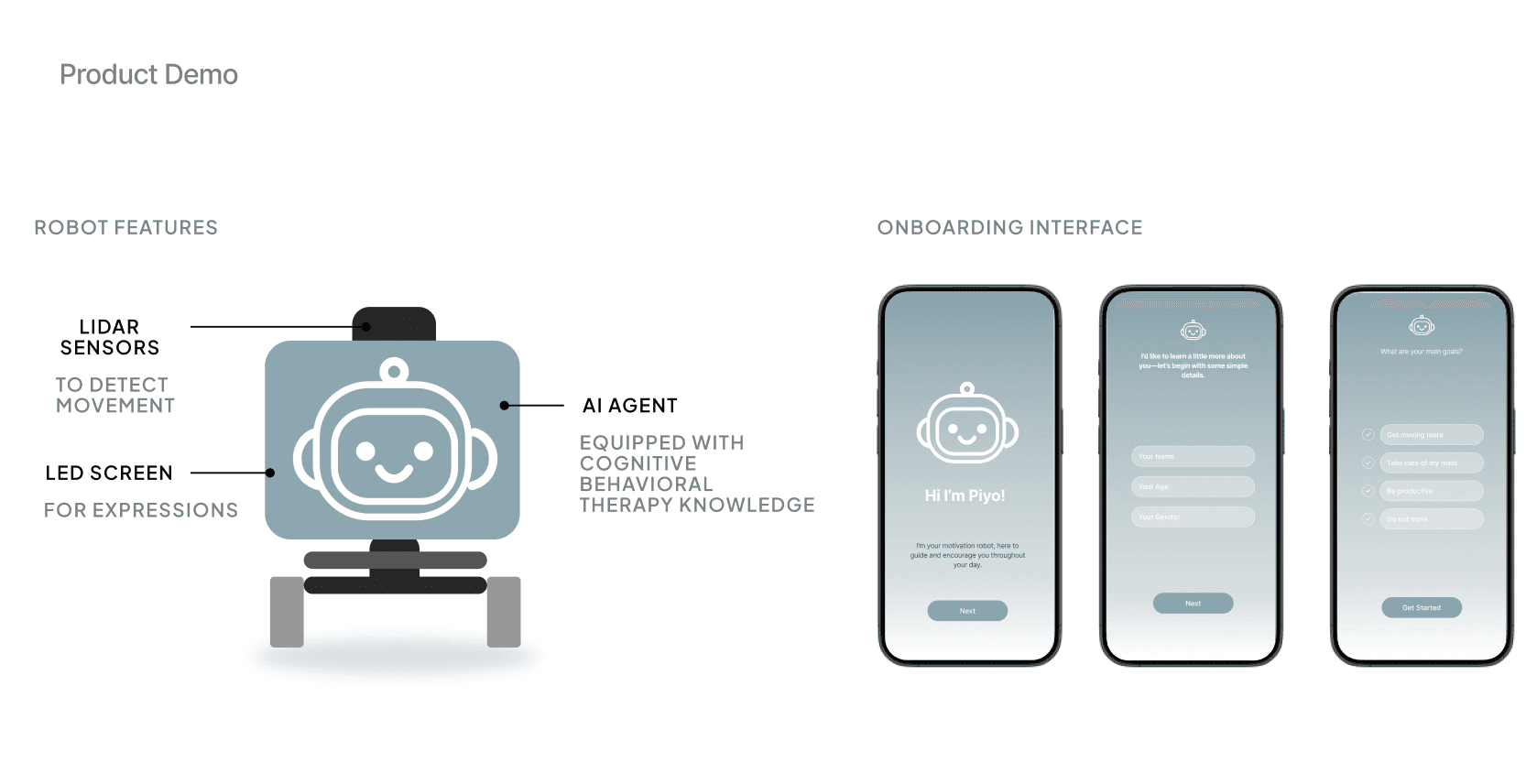
Working with a robotics team from SIT University in Japan, we developed an emotional support robot designed to assist individuals facing mental health challenges related to avolition and apathy. As the UX designer, I mapped the Human-Robot Interaction (HRI) frameworks, defining conversational flows and physical movement modalities. Equipped with built-in sensors and a CBT-informed AI agent, the robot, Piyo, delivers gentle conversational support, physical interaction, and health monitoring to foster daily engagement.

Beyond Canvas: An Immersive VR Art Experience
Conceptual
VR design
multimodal
With the power of AI-generated videos, we built a digital platform that completely reimagines the art experience. This fully immersive, multi-sensory environment brings art, education, and dialogue directly to enthusiasts, students, and users with accessibility needs— bridging the gaps left by traditional galleries.


Designing an Elephant: Uncovering a Site through a Scrapbook
Conceptual
Architectural
exploration
"The nomads inhabit these places; they remain in them, and they themselves make them grow, for it has been established that the nomads make the desert no less than they are made by it." — Gilles Deleuze
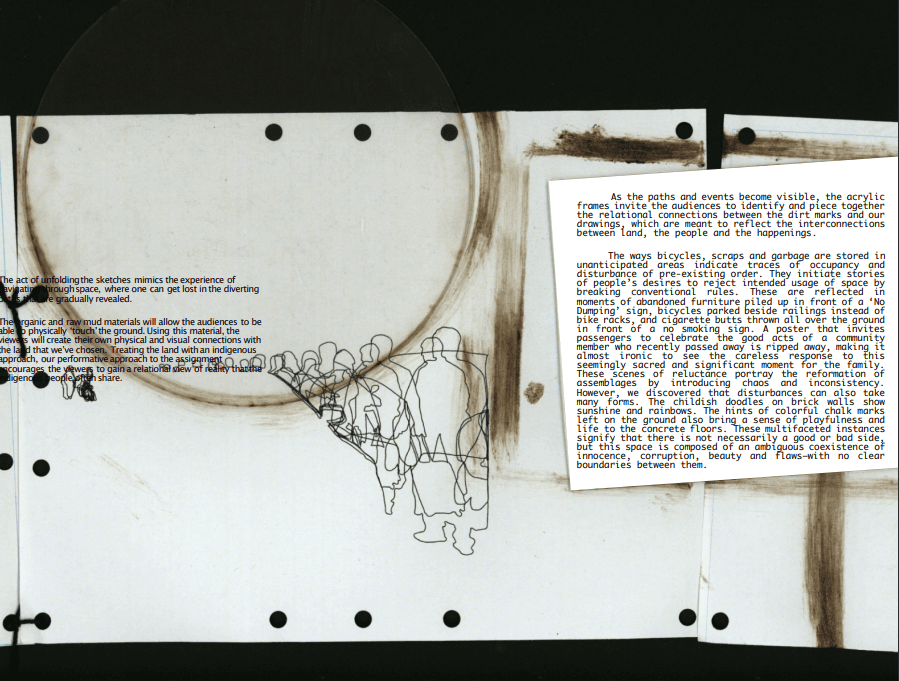
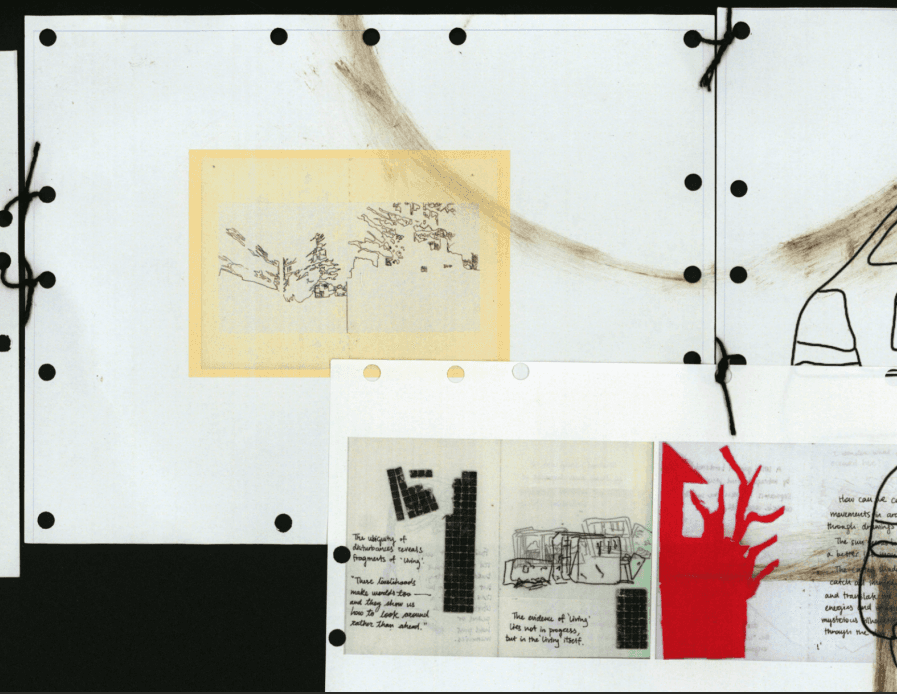
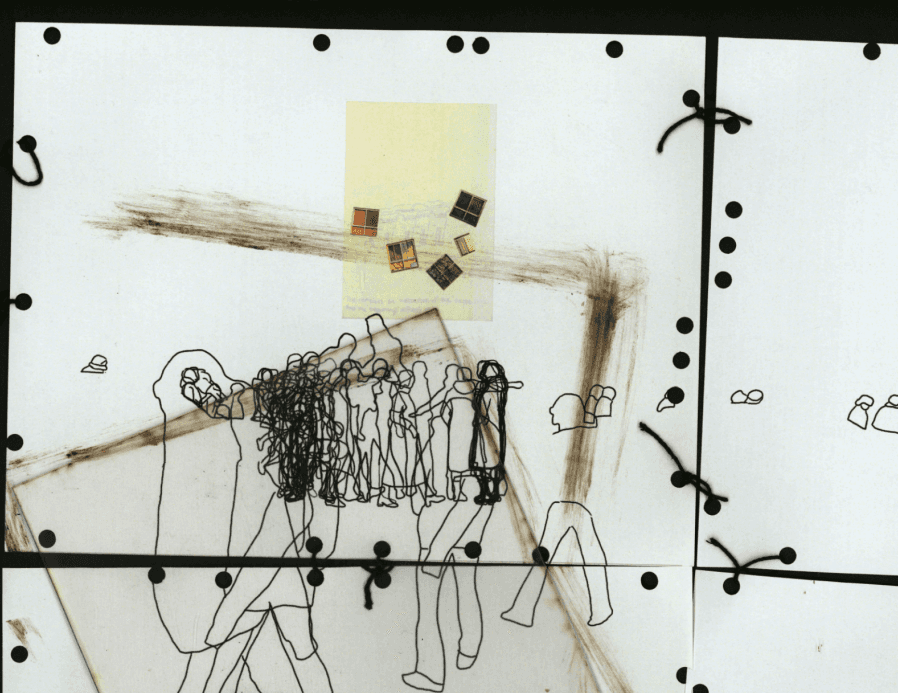
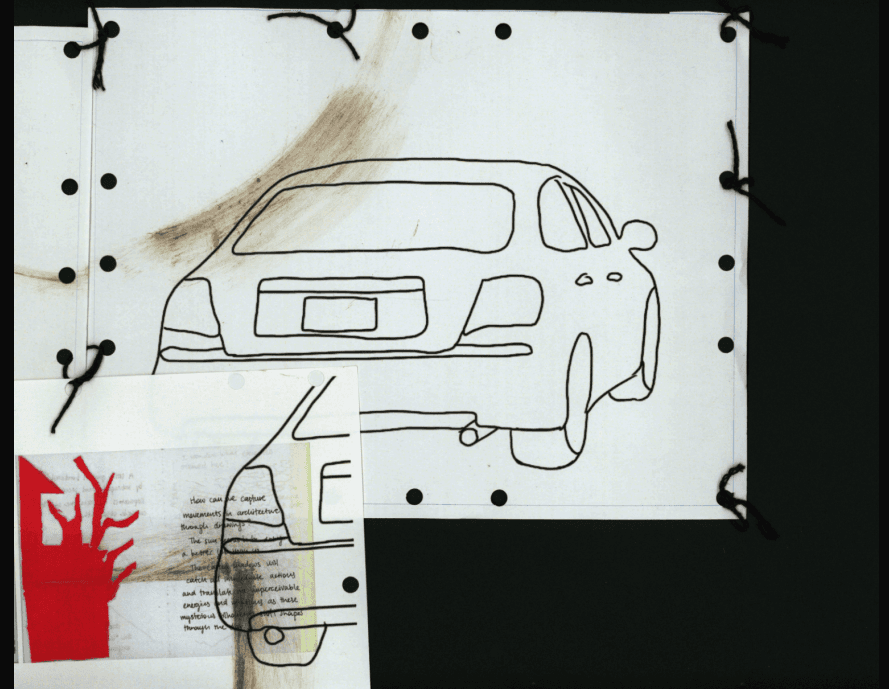
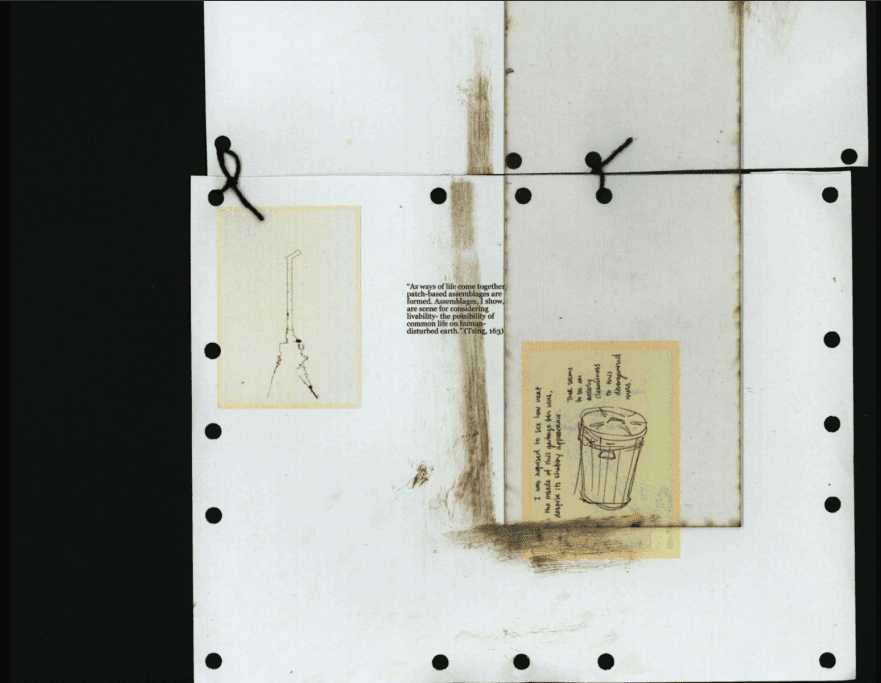
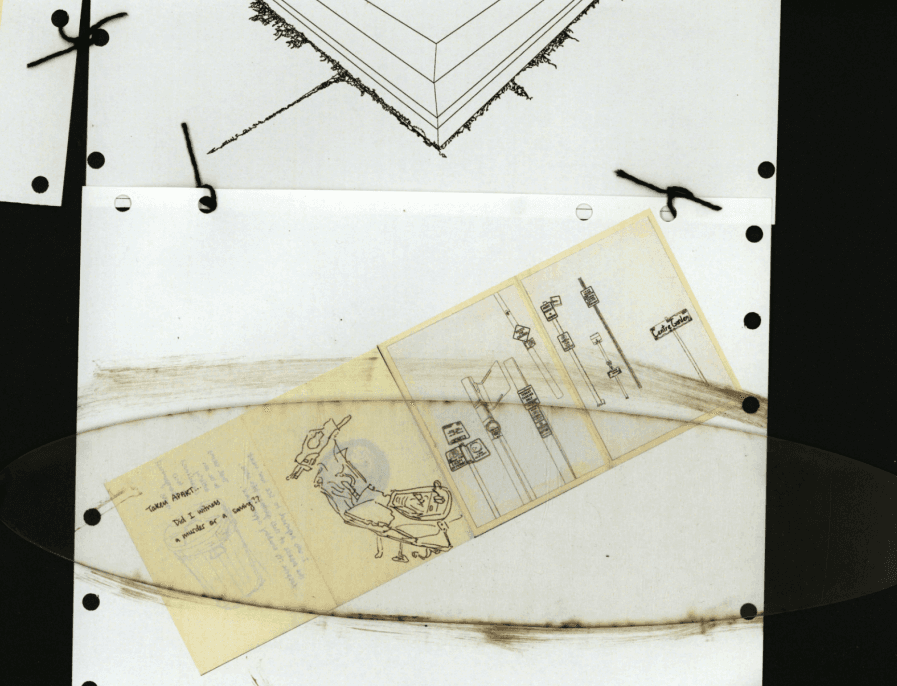
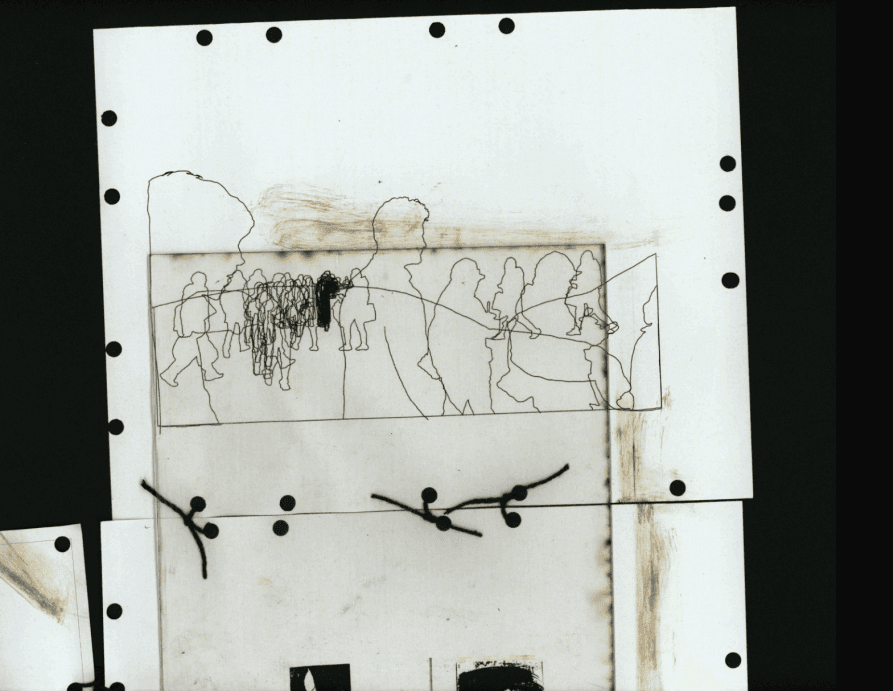
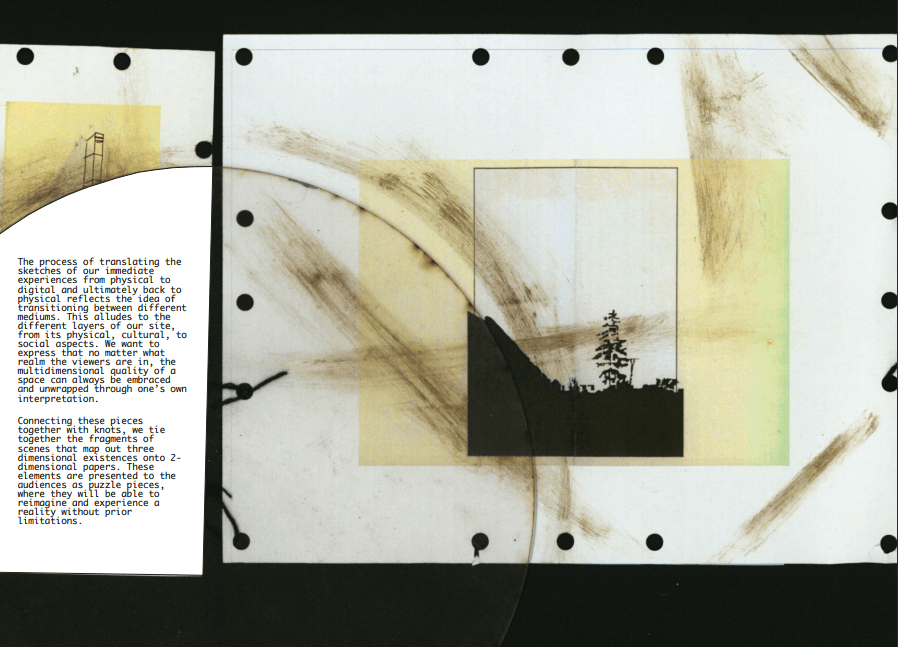
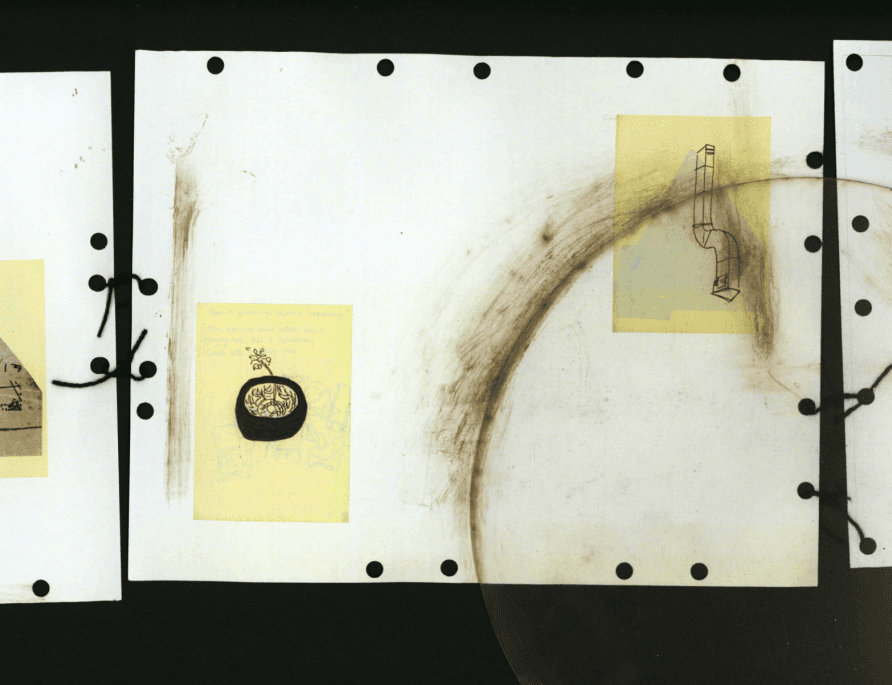
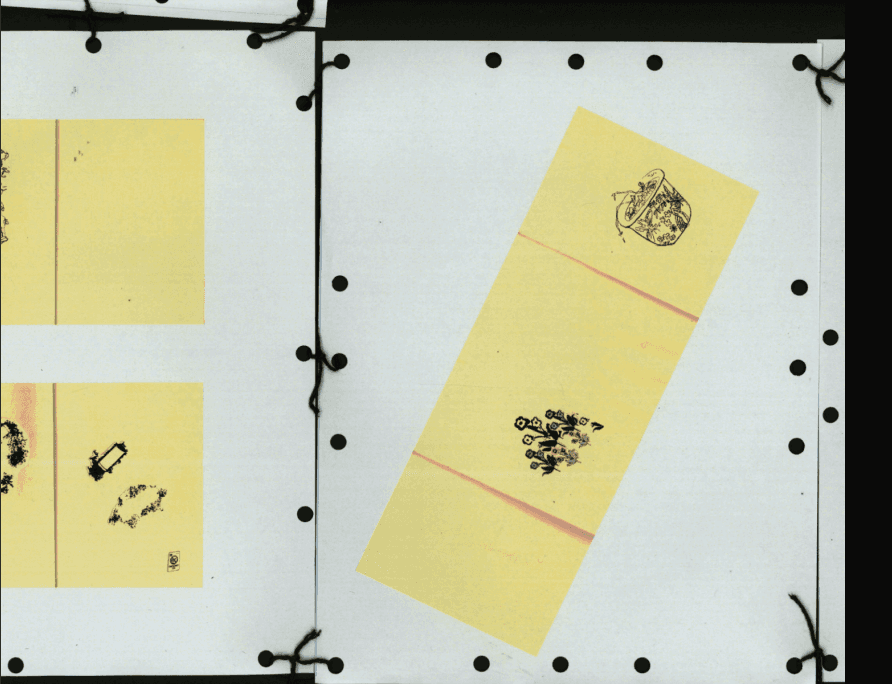
Preservation led us to renegotiate our methodology through nomadism, adopting the transgressive thinking nomads themselves exhibit. By mapping mundane interactions within our space, we built an archive of objects, systems, and dialogues. As Scott writes in "Archives of the Present-Future," an archive transforms everyday objects into touchstones, intimate markers of another's point of contact with a place.
Our approach preserves the peculiarity of each interaction while assembling them into a color palette for you to paint your own reality of our site. Without revealing the site itself, we share its experience through fragments layered with space and time. Our scrapbook, built on a unique mapping of observations, invites you into this reconstruction of reality.